
the Creative Commons Attribution 4.0 License.
the Creative Commons Attribution 4.0 License.
 | 20 Nov 2025
Mechanistic insights into marine boundary layer nucleation: synergistic interactions of typical sulfur, iodine, and nitrogen precursors
Abstract. Marine new particles have significant impacts on the global atmosphere, yet the key nucleation process underlying their formation remains highly unclear. Given the coexistence of multiple marine nucleating agents, here we explored how typical sulfur-, iodine-, and nitrogen-bearing chemicals, i.e., methanesulfonic acid (MSA), iodic acid (IA), and dimethylamine (DMA), synergistically interact to drive particle nucleation at the molecular level, by high-level quantum chemical calculations and cluster dynamics simulations. The results show that IA, MSA, and DMA can form stable pre-nucleation clusters via intermolecular hydrogen bonding and halogen bonding, with acid-base reactions occurring during their clustering, yielding ion pair formation. The proposed IA–MSA–DMA ternary nucleation is thermodynamically more favorable in regions rich in sulfur and nitrogen but poor in iodine. The cluster formation rate of IA–MSA–DMA ternary system is notably higher than that of any corresponding binary nucleation, showing a synergistic enhancement on rate of 4–8 orders of magnitude. Moreover, this rate even exceeds that of the well-established efficient iodine oxoacids nucleation under sulfur-rich conditions. In polar coastal regions such as Aboa and Marambio, the simulated rates of IA–MSA–DMA nucleation better agree with field measurements compared with the established IA–DMA nucleation. Accordingly, the proposed IA–MSA–DMA nucleation mechanism is expected to be important in the marine boundary layer, helping to explain the missing sources of iodic acid particles, especially in cold polar marine regions. Incorporating this mechanism into the atmospheric modeling can potentially improve aerosol formation simulations and refine climate predictions.
-
Notice on discussion status
The requested preprint has a corresponding peer-reviewed final revised paper. You are encouraged to refer to the final revised version.
-
Preprint
(1326 KB)
-
Supplement
(1386 KB)
-
The requested preprint has a corresponding peer-reviewed final revised paper. You are encouraged to refer to the final revised version.
- Preprint
(1326 KB) - Metadata XML
-
Supplement
(1386 KB) - BibTeX
- EndNote
- Final revised paper


Journal article(s) based on this preprint
Interactive discussion
Status: closed
-
RC1: 'Comment on egusphere-2025-5622', Anonymous Referee #1, 03 Dec 2025
-
AC1: 'Reply on RC1', Xiuhui Zhang, 05 Feb 2026
The comment was uploaded in the form of a supplement: https://egusphere.copernicus.org/preprints/2025/egusphere-2025-5622/egusphere-2025-5622-AC1-supplement.pdf
-
AC1: 'Reply on RC1', Xiuhui Zhang, 05 Feb 2026
-
RC2: 'Comment on egusphere-2025-5622', Morten Engsvang & Jonas Elm (co-review team), 11 Dec 2025
Jing Li and coworkers have investigated the ability of iodic acid (IA), methanesulfonic acid (MSA), and dimethylamine (DMA) to drive nucleation in the troposphere. The binary IA-DMA, MSA-DMA, and IA-MSA clusters are adopted from previous studies, and they have expanded upon this set by looking at the ternary IA-MSA-DMA clusters. These types of more complex systems are important to study given that the atmosphere consists of a wide array of nucleation precursors at varying concentrations at any given point. The paper suggests that the MSA assisted pathway is very efficient and essential for aligning simulated nucleation rates with measured rates at polar sites such as Marambio and Aboa.
This is an interesting study that expands upon our understanding of marine atmospheric nucleation. However, some of the discussion, especially related to the field observations should be reconsidered before publication is advised.
1) Abstract
Lines 10-13: “Given the coexistence of multiple marine nucleating agents, here we explored how typical sulfur-, iodine-, and nitrogen-bearing chemicals, i.e., methanesulfonic acid (MSA), iodic acid (IA), and dimethylamine (DMA), synergistically interact to drive particle nucleation at the molecular level, by high-level quantum chemical calculations and cluster dynamics simulations.”
This formulation appears a bit odd. Perhaps turn the sentence around or break in two.
Lines 18-20: “In polar coastal regions such as Aboa and Marambio, the simulated rates of IA–MSA–DMA nucleation better agree with field measurements compared with the established IA–DMA nucleation.”
I would be careful with the formulation “better agree with field measurements” here. As the studied mechanism does not cover all possible nucleators, other species will also contribute. This would effectively push the current results outside the experimental range. Please reformulate.
2) Quantum Chemistry Calculations
Spin-orbit coupling: We are missing some specification on how the spin-orbit coupling was calculated. Only a DFT functional/basis set combination is given. The only method for calculating SOC in Gaussian would be the CASSCF routine. We think that you should expand upon how the SOC was calculated: If CASSCF was applied, what are the orbital spaces / how where they determined?
Electronic energies: We are missing some discussion on the accuracy of your choice of method for calculating electronic energies. While DLPNO-CCSD(T)/aug-cc-pVTZ or similar has been shown to be quite capable when it comes to lighter elements, it is not necessarily the case for heavier elements. You use aug-cc-pVTZ-PP for iodine, which can at least partially correct for this, however the question is: is it enough? You cite Engsvang 2024, for incorporating SOC, which also touches upon that question. Your choice of method is tested and shown in figure 4b of that study. There, it was found that you should be expecting overbinding of your clusters, and thus too stable clusters, and recommended that you use scalar-relativistic methods for electronic energies. We are not asking you to redo the calculations at another level, but the accuracy/bias of the calculations should be considered when discussing the results.
3) The Cluster Structures
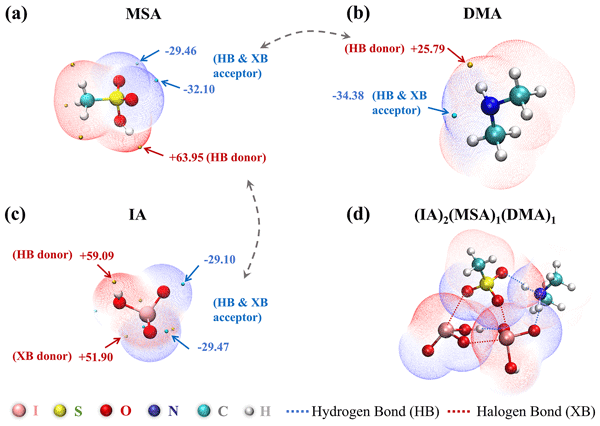
Figure 1: It is not clear what figure 1 and the associated text contributes with. It is essentially showing the definition of intermolecular interactions, which are quite easily seen visually in the figure of the structures in the SI.
Lines 135-136, and 306: You comment on the proportion of bonds which are hydrogen bonds (HBs). It is concluded that HBs are dominant because they make up 74%. It is unclear how you arrive at this number. Is it the number of H-bonds or the strength of the H-bonds compared to X-bonds? HBs and halogen bonds (XBs) are not of completely equivalent strength, we do not believe that you can directly conclude that HBs are dominant. They are the most common binding type, but without evaluating the relative strength, you cannot determine which are dominant.
Lines 135-147: You comment/conclude on the structures of your clusters. We are missing some discussion on how these structures relate to structures in literature. Did your analysis here bring additional information to light not seen in your previous studies? Or is it confirming bonding patterns previously seen in other studies? Here we are thinking of studies that use the same methods as you and those who use different methods. It could be interesting to contrast and compare.
Line 146-147: “These results indicate that IA, MSA, and DMA are capable of forming stable molecular clusters via HBs and XBs, accompanied by acid-base reactions that produce ion pairs.”
I would be a bit careful with this statement, as the structures and existence of HBs and XBs does not explicitly tell you anything about the “stability” of the clusters.
4) The Cluster Stability Section
Lines 156-158: You have the critical cluster (IA)2(DMA)1 growing into (IA)3(DMA)1 and (IA)2(MSA)1(DMA)1. These clusters are a somewhat “acid-heavy”. We suggest that you comment on this aspect either here and/or later during the cluster formation pathway section, because as shown in fig. 5a, your outgrowing clusters are also acid-heavy with a 2:1 ratio. Hence, this finding could be an artifact of the chosen systems to study. It has previously been a topic of discussion whether the clusters should be growing along a 1:1 ratio between acid and base or otherwise.
5) The Cluster Formation Rate
Lines 58-59: You define your cluster system such that only 1:1 acid:base ratio and above is considered. Thus, you bias your simulation towards more acid-heavy systems by not allowing base-heavy systems. This should be commented upon.
Limited cluster size: It would also be prudent to consider the effect of the limited system size on the nucleation rate obtained from ACDC. Limiting the system size will lead to an overestimation of the calculated nucleation rate compared to the “real” nucleation rate. See for example Kubečka et al. 2023 (https://doi.org/10.1021/acs.jpca.3c00068) or Besel et al. 2020 (https://dx.doi.org/10.1021/acs.jpca.0c03984)
Line 185: You compare MSA-DMA with IA-DMA at the same concentration level of acid. This made me curious, is the correlation (if any) between MSA and IA known? Would we expect them to be at the same level in the same regions, because as shown by Chen et al. that you cite for your MSA, it is much more ubiquitous in the southern hemisphere.
SA vs. MSA: As far as we remember SA is in general a stronger nucleator than MSA. How does your results here compare to the IA-SA-DMA system as previously studied by for example Ning et al. 2024 (https://doi.org/10.1073/pnas.2404595121). In addition, it would be relevant to note the temperature dependence on the formation of SA/MSA from DMS oxidation here as well.
Lines 200-204: “This mechanism serves as a critical yet overlooked source of fresh particles in the MBL.”
We believe the conclusion here are a bit overexaggerated and not entirely backed up by your results. Please tone down the relevance in light of the results.
6) Synergistic Nucleation of IA, MSA, and DMA
Enhancement factor: You define the enhancement factor as: R = J(IA-MSA-DMA)/J(IA-DMA). However, you are referring to the synergistic effect of co-nucleation. Thus, would it not be more appropriate to define it as: R = J(IA-MSA-DMA) /( J(IA-DMA) + J(MSA-DMA) ) = J(IA=x,MSA=y,DMA=z) /(J(IA=x,MSA=0,DMA=z) + J(IA=0,MSA=y,DMA=z)). In this way you isolate the synergy effect from the effect of just adding more nucleation precursors. Technically the IA-MSA, and the self-nucleation of IA, MSA, DMA should also be there, but it is relatively easy to dismiss these as irrelevant at atmospherically relevant concentrations.
Lines 224-225: “IA-MSA-DMA synergistic nucleation is most effective in iodine-limited, sulfur-, and nitrogen-rich regions.”
Perhaps rephrase “most effective” to “most relevant”. IA-MSA-DMA is also enhanced by [IA], it is just less impacted by limited [IA] compared to IA-DMA.
7) Cluster Formation Pathway Section
Line 234: “This part of pathways are similar to that revealed by Ning et al. (2022b).”
Isn’t the data also taken from Ning et al. (2022b)? In that case I would explicitly write that this is the finding from Ning et al.
Line 256: You refer to fig. S5, we believe you mean S4. We suggest you go through the references to the SI and double check the figure numbers.
Further on line 256: You refer to a distinct change in growth pattern. There is no discussion of this change in either the main manuscript nor SI. Please comment on what you meant by this in either the manuscript or SI.
Lines 268-269: You comment that the IA concentrations decrease significantly at high latitudes with lower temperatures and cite He et al. 2021. Do they show this? In the main manuscript they primarily discuss nucleation rates, but in fig. S9 and S10 there does not seem to be a clear latitude dependence. For example, the Beijing, Nanjing, and Réunion measurements are significantly lower than Greenland and Ny Ålesund. In addition, Helsinki could be said to exhibit comparative concentrations to Greenland and Ny Ålesund.
8) Comparison with Field Observations
8a) The simulated nucleation rates are compared to the measurements at Marambio and Aboa:
For Marambio, looking at fig. 4 and 5 in Quéléver et al., the median hourly concentrations were around 3*10^5 (according to fig. 5) with many measurements of around 10^6, with drops below 10^5 only during the night (according to fig. 4) Looking at your fig. 6a, IA-DMA would already be within the field observation range at an [IA] of 3*10^5
For Aboa: fig. S3 in Xavier et al. shows quite stable [IA] that don’t go below 4*10^5. Here it is true that IA-DMA will significantly undershoot the field observations. But at the same time, while your IA-MSA-DMA is starting to overshoot the field observations event at the minimum of 4*10^5.
Furthermore, for Marambio and Aboa.
You plot that the nucleation rates observed in the field at Marambio are between 10^-1 and just over 10^1. Where in the Quéléver study are you getting these numbers? At which size are these formation rates obtained (J_1.5, J_2, J_3, J_5, or J_10?) Looking at table 1 and figure 6c, we would expect significantly different formation / nucleation rates.
Likewise, for Aboa (Xavier et al 2024), from where do you get the nucleation rates that are around 10^-1? As far as we read the article, it does not present any experimental formation rates, or any simulated formation rates that correspond to that number. Furthermore, Xavier et al is not the original source for the 2015 Aboa campaign, that is Jokinen et al. 2018 (https://doi.org/10.1126/sciadv.aat9744) In Jokinen et al, we did find measured formation rates from the period of 07/01/2015 to 09/01/2015 that is reported in Xavier et al. In Jokinen et al. 2018 table S2, they report values at J_1.5 to be 0.09 to 0.11 (0.07-0.13 for the entire period) or J_1.5,extrap as 0.05-0.12 . As far as we read fig. 6, you have set the bounds for the field observations at 0.07 to just over 0.1. Thus, you must have used the values reported in Jokinen et al. 2018, but without citing them?
In general: it should be much clearer which observations you use (time-period, which formation rate it is, what is the source)
Furthermore, you use [MSA]=10^6-10^7 i.e. MSA between roughly 0.1 to 1 ppt. However, many of the studies you cite (Chen et al. 2018, Chen et al. 2023), would put the MSA concentrations much higher in the southern hemisphere (10-40 ppt)
Also, for the rest of the paper: why only up to 10^8 (roughly 10 ppt) MSA, if you are aiming to compare to measurements in the southern hemisphere?
Generally: Your simulations already overestimate the field observations even before considering the many other possible nucleation pathways, hydration of clusters, and ions. Would this not be an indication that your method may have too stable clusters? I.e. you are not “leaving room” for all the other things that could contribute to and assist nucleation.
9) Minor Comments:
Line 26-27: You write: “Notably, aerosol are the primary source of uncertainty in climate forcing. And aerosols originate …”. We suggest removing the “And”.
Line 114: For the MSA concentration you cite “Ning et al., 2022a”, however this is a quantum chemistry nucleation study?
Line 153: remove “formed” from the sentece
Line 166 and 171: You write that lower [IA] favors the IA-MSA-DMA pathway. We feel that it would be more correct to say that the pathway is comparatively more favorable at lower [IA], because lower [IA] would result in the IA-DMA clusters becoming unfavorable faster than IA-MSA-DMA. Thus, none of them are “favored”, some are just less disfavored.
Line 204: You should probably add that it is a yet overlooked potential source of fresh particles. This is still only at a computational, while you compare to measurements, there is no comparison to experiments isolating the effect of the limited IA-MSA-DMA system.
Line 207: access -> assess
Fig. 6: We assume that the shaded region is defined by simulations at 10^6 MSA and 10^7 MSA? This should be written in the text / figure captionCitation: https://doi.org/10.5194/egusphere-2025-5622-RC2 -
AC2: 'Reply on RC2', Xiuhui Zhang, 05 Feb 2026
The comment was uploaded in the form of a supplement: https://egusphere.copernicus.org/preprints/2025/egusphere-2025-5622/egusphere-2025-5622-AC2-supplement.pdf
-
AC2: 'Reply on RC2', Xiuhui Zhang, 05 Feb 2026
-
RC3: 'Comment on egusphere-2025-5622', Anonymous Referee #3, 13 Dec 2025
Li et al. have applied quantum chemical calculations and cluster dynamics simulations to investigate the IA–MSA–DMA ternary nucleation system at molecular levels and assess the importance of IA–MSA–DMA nucleation mechanism in polar marine regions (Marambio and Aboa). The outcome of this study will be providing insights from the theoretical aspect of IA–MSA–DMA ternary nucleation mechanism in polar marine environment. Overall, the manuscript is well-written and the results are clearer presented. I have some minor comments as below:
1) I don’t quite understand why the authors need to use “typical sulfur-, iodine-, and nitrogen-bearing chemicals” both in the title and also in the text (i.e., abstract Line 11) instead of more directly stating IA–MSA–DMA system? Is there any specific reason? Sulfur and nitrogen chemicals can be broad, for example, sulfuric acids (H2SO4) and nitric acids (HNO3) can have influence on the nucleation process too.
2) Line 21: In the abstract, what do you mean by “helping to explain the missing sources of iodic acid particles”?
3) Line 51-52: Please provide the citations for the “field observations indicate that MSA frequently coexists with IA and DMA in the marine atmosphere”. Which studies?
4) Line 63-64: Maybe I have missed out something, what are different latitudinal marine conditions that have been evaluated in this study? Please be specific.
5) In the methodology, I did not see any introduction or discussion about the uncertainty of this study. The uncertainties arise from the quantum chemical calculations and from the cluster dynamic simulations should be also included here.
6) Line 110: Please define CLOUD.
7) Figure 3b: It is not explained why only IA–HIO2 system line is shown for the comparison here. Please justify why [IA]/[ HIO2] is fixed at a value of 50 instead of other numbers?
8) Figure 4: Suggest to add information of correlation coefficient (r) for the linear fit to the figure or in the caption.
9) Line 267-268: Chen et al. (2023) study is mainly based on the calculation and modelling results. Are there measurements that support MSA formation is highly temperature-dependent? If yes, please cite them.
10) Figure 6: Why the concentration of DMA is reported as pptv instead of molecules cm-3? What are the concentrations of MSA being used for the calculation in orange area?
11) Line 313: Justify how the study lead to advancing our understanding of NPF events if they are aligning well with field observations?
Citation: https://doi.org/10.5194/egusphere-2025-5622-RC3 -
AC3: 'Reply on RC3', Xiuhui Zhang, 05 Feb 2026
The comment was uploaded in the form of a supplement: https://egusphere.copernicus.org/preprints/2025/egusphere-2025-5622/egusphere-2025-5622-AC3-supplement.pdf
-
AC3: 'Reply on RC3', Xiuhui Zhang, 05 Feb 2026
Peer review completion


Interactive discussion
Status: closed
-
RC1: 'Comment on egusphere-2025-5622', Anonymous Referee #1, 03 Dec 2025
Jing Li and colleagues investigated the synergistic nucleation mechanism involving typical sulfur-, iodine-, and nitrogen-containing chemical species in marine regions—specifically, methanesulfonic acid (MSA), iodic acid (IA), and dimethylamine (DMA)—in a process referred to as the IA–MSA–DMA ternary nucleation mechanism. This study systematically examines the IA–MSA–DMA ternary nucleation system, addressing cluster stability, thermodynamic and kinetic properties, and the molecular-level mechanisms involved. The findings highlight the importance of synergistic nucleation among sulfur, iodine, and nitrogen compounds, offering deeper insight into marine secondary aerosol formation, particularly given the chemical complexity of the real atmosphere. This is a clearly written manuscript on a topic of high atmospheric relevance. The proposed mechanism, once implemented in atmospheric models, is likely to sharpen simulations of aerosol formation and associated climate responses. I am therefore inclined to recommend publication in Atmospheric Chemistry and Physics, subject to consideration of the minor points listed below, which mainly concern the interpretation of the theoretical results.
- The nucleation process typically entails a competition between cluster collision and evaporation. It would be helpful if the authors could specify which specific types of these processes were included in their ACDC simulations. We recommend adding these details to the ACDC methodology section for clarity.
- It is worth noting that iodous acid typically co-occurs with iodic acid in marine environments as a homologous species. While the authors have compared their work with the iodic acid- iodous acid system, the influence of iodous acid itself was not considered in this study. To better isolate the variables and make the comparison more accurate, it might be beneficial to simultaneously account for the effect of MSA as well. In addition, in a previous study (Atmos. Chem. Phys., 2024, 24, 3989), the authors have already investigated the MSA–HIO3–HIO2 system. I would therefore recommend not only comparing with the HIO3–HIO2 system, but also making a more direct comparison with the MSA–HIO3–HIO2 system. This would be a meaningful extension and would more clearly highlight the synergistic roles of multiple components.
- Computational results can be influenced by various factors, introducing inherent uncertainties. For instance, uncertainties may arise from the quantum chemical calculations and from the cluster dynamic simulations. It would be valuable to include a discussion of these potential uncertainties and their possible impact on the findings.
- We suggest conducting two sets of calculations representing polluted (CS larger than 0.002/s) and relatively clean conditions, respectively, given that DMA is generally more abundant in polluted environments. This would help establish a more comprehensive understanding of the nucleation mechanism, thereby providing a valuable reference for future research in highly polluted coastal regions.
- For the three classes of precursors (sulfur-, iodine-, and nitrogen-containing species), nucleation is jointly driven by their synergistic effects, and the nucleation rate is therefore expected to exhibit different sensitivities to each component. Although the authors have examined the response of the nucleation rate to variations in individual precursor concentrations in Figs. 4d–f, it would be better to also provide a three-dimensional response surface illustrating the joint dependence of the nucleation rate on the simultaneous variation of all three precursor concentrations.
- Figure 2: To enhance clarity, please consider adding explicit labels in the figure indicating the meaning of the solid and dashed lines.
- For the reader's convenience, please ensure that any abbreviations are written out in full when first introduced, with the abbreviated form following in parentheses. This will allow for the use of the abbreviation alone in subsequent text.
Citation: https://doi.org/10.5194/egusphere-2025-5622-RC1 -
AC1: 'Reply on RC1', Xiuhui Zhang, 05 Feb 2026
The comment was uploaded in the form of a supplement: https://egusphere.copernicus.org/preprints/2025/egusphere-2025-5622/egusphere-2025-5622-AC1-supplement.pdf
-
RC2: 'Comment on egusphere-2025-5622', Morten Engsvang & Jonas Elm (co-review team), 11 Dec 2025
Jing Li and coworkers have investigated the ability of iodic acid (IA), methanesulfonic acid (MSA), and dimethylamine (DMA) to drive nucleation in the troposphere. The binary IA-DMA, MSA-DMA, and IA-MSA clusters are adopted from previous studies, and they have expanded upon this set by looking at the ternary IA-MSA-DMA clusters. These types of more complex systems are important to study given that the atmosphere consists of a wide array of nucleation precursors at varying concentrations at any given point. The paper suggests that the MSA assisted pathway is very efficient and essential for aligning simulated nucleation rates with measured rates at polar sites such as Marambio and Aboa.
This is an interesting study that expands upon our understanding of marine atmospheric nucleation. However, some of the discussion, especially related to the field observations should be reconsidered before publication is advised.
1) Abstract
Lines 10-13: “Given the coexistence of multiple marine nucleating agents, here we explored how typical sulfur-, iodine-, and nitrogen-bearing chemicals, i.e., methanesulfonic acid (MSA), iodic acid (IA), and dimethylamine (DMA), synergistically interact to drive particle nucleation at the molecular level, by high-level quantum chemical calculations and cluster dynamics simulations.”
This formulation appears a bit odd. Perhaps turn the sentence around or break in two.
Lines 18-20: “In polar coastal regions such as Aboa and Marambio, the simulated rates of IA–MSA–DMA nucleation better agree with field measurements compared with the established IA–DMA nucleation.”
I would be careful with the formulation “better agree with field measurements” here. As the studied mechanism does not cover all possible nucleators, other species will also contribute. This would effectively push the current results outside the experimental range. Please reformulate.
2) Quantum Chemistry Calculations
Spin-orbit coupling: We are missing some specification on how the spin-orbit coupling was calculated. Only a DFT functional/basis set combination is given. The only method for calculating SOC in Gaussian would be the CASSCF routine. We think that you should expand upon how the SOC was calculated: If CASSCF was applied, what are the orbital spaces / how where they determined?
Electronic energies: We are missing some discussion on the accuracy of your choice of method for calculating electronic energies. While DLPNO-CCSD(T)/aug-cc-pVTZ or similar has been shown to be quite capable when it comes to lighter elements, it is not necessarily the case for heavier elements. You use aug-cc-pVTZ-PP for iodine, which can at least partially correct for this, however the question is: is it enough? You cite Engsvang 2024, for incorporating SOC, which also touches upon that question. Your choice of method is tested and shown in figure 4b of that study. There, it was found that you should be expecting overbinding of your clusters, and thus too stable clusters, and recommended that you use scalar-relativistic methods for electronic energies. We are not asking you to redo the calculations at another level, but the accuracy/bias of the calculations should be considered when discussing the results.
3) The Cluster Structures
Figure 1: It is not clear what figure 1 and the associated text contributes with. It is essentially showing the definition of intermolecular interactions, which are quite easily seen visually in the figure of the structures in the SI.
Lines 135-136, and 306: You comment on the proportion of bonds which are hydrogen bonds (HBs). It is concluded that HBs are dominant because they make up 74%. It is unclear how you arrive at this number. Is it the number of H-bonds or the strength of the H-bonds compared to X-bonds? HBs and halogen bonds (XBs) are not of completely equivalent strength, we do not believe that you can directly conclude that HBs are dominant. They are the most common binding type, but without evaluating the relative strength, you cannot determine which are dominant.
Lines 135-147: You comment/conclude on the structures of your clusters. We are missing some discussion on how these structures relate to structures in literature. Did your analysis here bring additional information to light not seen in your previous studies? Or is it confirming bonding patterns previously seen in other studies? Here we are thinking of studies that use the same methods as you and those who use different methods. It could be interesting to contrast and compare.
Line 146-147: “These results indicate that IA, MSA, and DMA are capable of forming stable molecular clusters via HBs and XBs, accompanied by acid-base reactions that produce ion pairs.”
I would be a bit careful with this statement, as the structures and existence of HBs and XBs does not explicitly tell you anything about the “stability” of the clusters.
4) The Cluster Stability Section
Lines 156-158: You have the critical cluster (IA)2(DMA)1 growing into (IA)3(DMA)1 and (IA)2(MSA)1(DMA)1. These clusters are a somewhat “acid-heavy”. We suggest that you comment on this aspect either here and/or later during the cluster formation pathway section, because as shown in fig. 5a, your outgrowing clusters are also acid-heavy with a 2:1 ratio. Hence, this finding could be an artifact of the chosen systems to study. It has previously been a topic of discussion whether the clusters should be growing along a 1:1 ratio between acid and base or otherwise.
5) The Cluster Formation Rate
Lines 58-59: You define your cluster system such that only 1:1 acid:base ratio and above is considered. Thus, you bias your simulation towards more acid-heavy systems by not allowing base-heavy systems. This should be commented upon.
Limited cluster size: It would also be prudent to consider the effect of the limited system size on the nucleation rate obtained from ACDC. Limiting the system size will lead to an overestimation of the calculated nucleation rate compared to the “real” nucleation rate. See for example Kubečka et al. 2023 (https://doi.org/10.1021/acs.jpca.3c00068) or Besel et al. 2020 (https://dx.doi.org/10.1021/acs.jpca.0c03984)
Line 185: You compare MSA-DMA with IA-DMA at the same concentration level of acid. This made me curious, is the correlation (if any) between MSA and IA known? Would we expect them to be at the same level in the same regions, because as shown by Chen et al. that you cite for your MSA, it is much more ubiquitous in the southern hemisphere.
SA vs. MSA: As far as we remember SA is in general a stronger nucleator than MSA. How does your results here compare to the IA-SA-DMA system as previously studied by for example Ning et al. 2024 (https://doi.org/10.1073/pnas.2404595121). In addition, it would be relevant to note the temperature dependence on the formation of SA/MSA from DMS oxidation here as well.
Lines 200-204: “This mechanism serves as a critical yet overlooked source of fresh particles in the MBL.”
We believe the conclusion here are a bit overexaggerated and not entirely backed up by your results. Please tone down the relevance in light of the results.
6) Synergistic Nucleation of IA, MSA, and DMA
Enhancement factor: You define the enhancement factor as: R = J(IA-MSA-DMA)/J(IA-DMA). However, you are referring to the synergistic effect of co-nucleation. Thus, would it not be more appropriate to define it as: R = J(IA-MSA-DMA) /( J(IA-DMA) + J(MSA-DMA) ) = J(IA=x,MSA=y,DMA=z) /(J(IA=x,MSA=0,DMA=z) + J(IA=0,MSA=y,DMA=z)). In this way you isolate the synergy effect from the effect of just adding more nucleation precursors. Technically the IA-MSA, and the self-nucleation of IA, MSA, DMA should also be there, but it is relatively easy to dismiss these as irrelevant at atmospherically relevant concentrations.
Lines 224-225: “IA-MSA-DMA synergistic nucleation is most effective in iodine-limited, sulfur-, and nitrogen-rich regions.”
Perhaps rephrase “most effective” to “most relevant”. IA-MSA-DMA is also enhanced by [IA], it is just less impacted by limited [IA] compared to IA-DMA.
7) Cluster Formation Pathway Section
Line 234: “This part of pathways are similar to that revealed by Ning et al. (2022b).”
Isn’t the data also taken from Ning et al. (2022b)? In that case I would explicitly write that this is the finding from Ning et al.
Line 256: You refer to fig. S5, we believe you mean S4. We suggest you go through the references to the SI and double check the figure numbers.
Further on line 256: You refer to a distinct change in growth pattern. There is no discussion of this change in either the main manuscript nor SI. Please comment on what you meant by this in either the manuscript or SI.
Lines 268-269: You comment that the IA concentrations decrease significantly at high latitudes with lower temperatures and cite He et al. 2021. Do they show this? In the main manuscript they primarily discuss nucleation rates, but in fig. S9 and S10 there does not seem to be a clear latitude dependence. For example, the Beijing, Nanjing, and Réunion measurements are significantly lower than Greenland and Ny Ålesund. In addition, Helsinki could be said to exhibit comparative concentrations to Greenland and Ny Ålesund.
8) Comparison with Field Observations
8a) The simulated nucleation rates are compared to the measurements at Marambio and Aboa:
For Marambio, looking at fig. 4 and 5 in Quéléver et al., the median hourly concentrations were around 3*10^5 (according to fig. 5) with many measurements of around 10^6, with drops below 10^5 only during the night (according to fig. 4) Looking at your fig. 6a, IA-DMA would already be within the field observation range at an [IA] of 3*10^5
For Aboa: fig. S3 in Xavier et al. shows quite stable [IA] that don’t go below 4*10^5. Here it is true that IA-DMA will significantly undershoot the field observations. But at the same time, while your IA-MSA-DMA is starting to overshoot the field observations event at the minimum of 4*10^5.
Furthermore, for Marambio and Aboa.
You plot that the nucleation rates observed in the field at Marambio are between 10^-1 and just over 10^1. Where in the Quéléver study are you getting these numbers? At which size are these formation rates obtained (J_1.5, J_2, J_3, J_5, or J_10?) Looking at table 1 and figure 6c, we would expect significantly different formation / nucleation rates.
Likewise, for Aboa (Xavier et al 2024), from where do you get the nucleation rates that are around 10^-1? As far as we read the article, it does not present any experimental formation rates, or any simulated formation rates that correspond to that number. Furthermore, Xavier et al is not the original source for the 2015 Aboa campaign, that is Jokinen et al. 2018 (https://doi.org/10.1126/sciadv.aat9744) In Jokinen et al, we did find measured formation rates from the period of 07/01/2015 to 09/01/2015 that is reported in Xavier et al. In Jokinen et al. 2018 table S2, they report values at J_1.5 to be 0.09 to 0.11 (0.07-0.13 for the entire period) or J_1.5,extrap as 0.05-0.12 . As far as we read fig. 6, you have set the bounds for the field observations at 0.07 to just over 0.1. Thus, you must have used the values reported in Jokinen et al. 2018, but without citing them?
In general: it should be much clearer which observations you use (time-period, which formation rate it is, what is the source)
Furthermore, you use [MSA]=10^6-10^7 i.e. MSA between roughly 0.1 to 1 ppt. However, many of the studies you cite (Chen et al. 2018, Chen et al. 2023), would put the MSA concentrations much higher in the southern hemisphere (10-40 ppt)
Also, for the rest of the paper: why only up to 10^8 (roughly 10 ppt) MSA, if you are aiming to compare to measurements in the southern hemisphere?
Generally: Your simulations already overestimate the field observations even before considering the many other possible nucleation pathways, hydration of clusters, and ions. Would this not be an indication that your method may have too stable clusters? I.e. you are not “leaving room” for all the other things that could contribute to and assist nucleation.
9) Minor Comments:
Line 26-27: You write: “Notably, aerosol are the primary source of uncertainty in climate forcing. And aerosols originate …”. We suggest removing the “And”.
Line 114: For the MSA concentration you cite “Ning et al., 2022a”, however this is a quantum chemistry nucleation study?
Line 153: remove “formed” from the sentece
Line 166 and 171: You write that lower [IA] favors the IA-MSA-DMA pathway. We feel that it would be more correct to say that the pathway is comparatively more favorable at lower [IA], because lower [IA] would result in the IA-DMA clusters becoming unfavorable faster than IA-MSA-DMA. Thus, none of them are “favored”, some are just less disfavored.
Line 204: You should probably add that it is a yet overlooked potential source of fresh particles. This is still only at a computational, while you compare to measurements, there is no comparison to experiments isolating the effect of the limited IA-MSA-DMA system.
Line 207: access -> assess
Fig. 6: We assume that the shaded region is defined by simulations at 10^6 MSA and 10^7 MSA? This should be written in the text / figure captionCitation: https://doi.org/10.5194/egusphere-2025-5622-RC2 -
AC2: 'Reply on RC2', Xiuhui Zhang, 05 Feb 2026
The comment was uploaded in the form of a supplement: https://egusphere.copernicus.org/preprints/2025/egusphere-2025-5622/egusphere-2025-5622-AC2-supplement.pdf
-
AC2: 'Reply on RC2', Xiuhui Zhang, 05 Feb 2026
-
RC3: 'Comment on egusphere-2025-5622', Anonymous Referee #3, 13 Dec 2025
Li et al. have applied quantum chemical calculations and cluster dynamics simulations to investigate the IA–MSA–DMA ternary nucleation system at molecular levels and assess the importance of IA–MSA–DMA nucleation mechanism in polar marine regions (Marambio and Aboa). The outcome of this study will be providing insights from the theoretical aspect of IA–MSA–DMA ternary nucleation mechanism in polar marine environment. Overall, the manuscript is well-written and the results are clearer presented. I have some minor comments as below:
1) I don’t quite understand why the authors need to use “typical sulfur-, iodine-, and nitrogen-bearing chemicals” both in the title and also in the text (i.e., abstract Line 11) instead of more directly stating IA–MSA–DMA system? Is there any specific reason? Sulfur and nitrogen chemicals can be broad, for example, sulfuric acids (H2SO4) and nitric acids (HNO3) can have influence on the nucleation process too.
2) Line 21: In the abstract, what do you mean by “helping to explain the missing sources of iodic acid particles”?
3) Line 51-52: Please provide the citations for the “field observations indicate that MSA frequently coexists with IA and DMA in the marine atmosphere”. Which studies?
4) Line 63-64: Maybe I have missed out something, what are different latitudinal marine conditions that have been evaluated in this study? Please be specific.
5) In the methodology, I did not see any introduction or discussion about the uncertainty of this study. The uncertainties arise from the quantum chemical calculations and from the cluster dynamic simulations should be also included here.
6) Line 110: Please define CLOUD.
7) Figure 3b: It is not explained why only IA–HIO2 system line is shown for the comparison here. Please justify why [IA]/[ HIO2] is fixed at a value of 50 instead of other numbers?
8) Figure 4: Suggest to add information of correlation coefficient (r) for the linear fit to the figure or in the caption.
9) Line 267-268: Chen et al. (2023) study is mainly based on the calculation and modelling results. Are there measurements that support MSA formation is highly temperature-dependent? If yes, please cite them.
10) Figure 6: Why the concentration of DMA is reported as pptv instead of molecules cm-3? What are the concentrations of MSA being used for the calculation in orange area?
11) Line 313: Justify how the study lead to advancing our understanding of NPF events if they are aligning well with field observations?
Citation: https://doi.org/10.5194/egusphere-2025-5622-RC3 -
AC3: 'Reply on RC3', Xiuhui Zhang, 05 Feb 2026
The comment was uploaded in the form of a supplement: https://egusphere.copernicus.org/preprints/2025/egusphere-2025-5622/egusphere-2025-5622-AC3-supplement.pdf
-
AC3: 'Reply on RC3', Xiuhui Zhang, 05 Feb 2026
Peer review completion
Journal article(s) based on this preprint
Viewed
| HTML | XML | Total | Supplement | BibTeX | EndNote | |
|---|---|---|---|---|---|---|
| 1,013 | 353 | 130 | 1,496 | 179 | 62 | 61 |
- HTML: 1,013
- PDF: 353
- XML: 130
- Total: 1,496
- Supplement: 179
- BibTeX: 62
- EndNote: 61
Viewed (geographical distribution)
| Country | # | Views | % |
|---|
| Total: | 0 |
| HTML: | 0 |
| PDF: | 0 |
| XML: | 0 |
- 1
Jing Li

Xiucong Deng
The requested preprint has a corresponding peer-reviewed final revised paper. You are encouraged to refer to the final revised version.
- Preprint
(1326 KB) - Metadata XML
-
Supplement
(1386 KB) - BibTeX
- EndNote
- Final revised paper
Jing Li and colleagues investigated the synergistic nucleation mechanism involving typical sulfur-, iodine-, and nitrogen-containing chemical species in marine regions—specifically, methanesulfonic acid (MSA), iodic acid (IA), and dimethylamine (DMA)—in a process referred to as the IA–MSA–DMA ternary nucleation mechanism. This study systematically examines the IA–MSA–DMA ternary nucleation system, addressing cluster stability, thermodynamic and kinetic properties, and the molecular-level mechanisms involved. The findings highlight the importance of synergistic nucleation among sulfur, iodine, and nitrogen compounds, offering deeper insight into marine secondary aerosol formation, particularly given the chemical complexity of the real atmosphere. This is a clearly written manuscript on a topic of high atmospheric relevance. The proposed mechanism, once implemented in atmospheric models, is likely to sharpen simulations of aerosol formation and associated climate responses. I am therefore inclined to recommend publication in Atmospheric Chemistry and Physics, subject to consideration of the minor points listed below, which mainly concern the interpretation of the theoretical results.